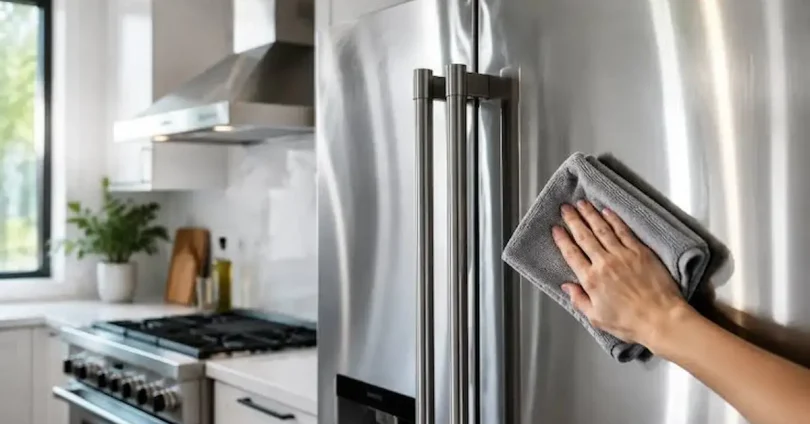

Kitchen appliances make cooking easier, faster, and more convenient, but they can quickly collect grease, food crumbs, stains, and spills. If they are not cleaned regularly, dirt and food residue can build up and cause unpleasant smells or make the appliances harder to use.
Knowing how to clean kitchen appliances properly can help you keep your kitchen fresh and your appliances in good condition. Different appliances need different cleaning methods, so it is important to use the right approach and avoid damaging sensitive parts.
In this guide, we will explain simple ways to clean common kitchen appliances, including refrigerators, microwaves, ovens, blenders, air fryers, dishwashers, coffee makers, and more. We will also cover cleaning supplies, safety tips, common mistakes, and how often you should clean each appliance.
Why Is It Important to Clean Kitchen Appliances?
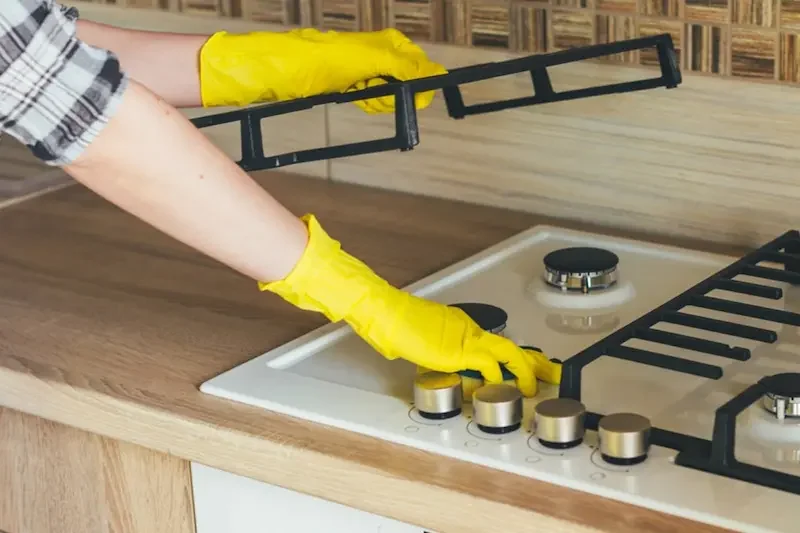
Regularly cleaning your kitchen appliances is an important part of keeping your kitchen clean and organized. Appliances can collect grease, food particles, dust, and spills during everyday use. Without regular cleaning, this buildup can become difficult to remove.
Here are some important reasons to clean your kitchen appliances regularly:
Keeps Your Kitchen More Hygienic
Cleaning removes food residue, grease, and dirt from surfaces that come into contact with food.
Helps Prevent Bad Odors
Old food particles and spills can create unpleasant smells. Regular cleaning helps keep appliances fresh.
Helps Appliances Stay in Good Condition
Removing grease, crumbs, and buildup can help keep appliances clean and properly maintained.
Makes Cleaning Easier
Small, regular cleanups are usually easier than trying to remove weeks or months of hardened dirt and grease.
Improves the Look of Your Kitchen
Clean appliances can make your kitchen look more organized, fresh, and well cared for. Clean Kitchen Appliances
Helps You Notice Problems Early
While cleaning, you may notice damaged seals, loose parts, cracks, or other issues that need attention. Clean Kitchen Appliances
Regular cleaning does not have to take a lot of time. A simple cleaning routine based on how often you use each appliance can make kitchen maintenance much easier. Clean Kitchen Appliances
you may also like it;
Easy Kitchen Maintenance Tips That Actually Work
How to Remove Kitchen Grease: Easy Cleaning Tips
Kitchen Cleaning Tips for Home That Work
How to Clean Kitchen Cabinets: Easy Tips That Work
What Do You Need to Clean Kitchen Appliances?
You do not need a large collection of expensive cleaning products to clean most kitchen appliances. A few basic supplies can help you handle everyday dirt, grease, food spills, and stains. Clean Kitchen Appliances
Basic Cleaning Supplies
- Microfiber cloths: Useful for wiping surfaces without leaving much lint.
- Soft sponge: Good for removing light grease and food residue. Clean Kitchen Appliances
- Mild dish soap: Helps clean many washable surfaces. Clean Kitchen Appliances
- Warm water: Useful for loosening grease and dried food. Clean Kitchen Appliances
- Soft cleaning brush: Helpful for corners, grooves, and hard-to-reach areas.
- Dry towel: Use it to dry surfaces after cleaning. Clean Kitchen Appliances
- Baking soda: Can help with certain stains and odors when suitable for the surface.
- White vinegar: Useful for some cleaning and descaling tasks, but it is not suitable for every appliance or material.
- Old toothbrush: Can help clean small spaces and narrow areas. Clean Kitchen Appliances
Check the Appliance Before Cleaning
Before you start, read the manufacturer’s cleaning instructions. Some parts may be dishwasher-safe, while others should only be wiped by hand. Clean Kitchen Appliances
Also, unplug electrical appliances when appropriate, allow hot appliances to cool completely, and keep water away from electrical components. Clean Kitchen Appliances
Using the right supplies and following the appliance’s care instructions can make cleaning easier while reducing the risk of damage. Clean Kitchen Appliances
How to Clean Different Kitchen Appliances
Different kitchen appliances collect different types of dirt, so each one needs a slightly different cleaning method. Before cleaning any appliance, turn it off, unplug it when appropriate, and allow hot surfaces to cool completely.
How to Clean a Refrigerator
Start by removing all food from the refrigerator. Check expiration dates and discard anything that is no longer good.
- Remove shelves, drawers, and other removable parts.
- Wash suitable removable parts with warm water and mild dish soap.
- Wipe the inside walls and surfaces with a damp cloth.
- Clean spills and sticky areas carefully. Clean Kitchen Appliances
- Wipe door shelves and handles. Clean Kitchen Appliances
- Clean the door seals gently. Clean Kitchen Appliances
- Wipe the outside of the refrigerator. Clean Kitchen Appliances
- Dry the surfaces before putting the food back.
Clean spills as soon as possible to prevent stains and unpleasant odors.
How to Clean a Microwave
Remove the turntable and wash it separately with warm, soapy water if the manufacturer’s instructions allow it.
- Wipe loose crumbs and food particles away.
- Loosen dried food before scrubbing.
- Wipe the inside walls, ceiling, and bottom.
- Clean the microwave door and handle.
- Wipe the control panel carefully without getting it too wet.
- Clean the outside surface.
- Dry all areas with a clean cloth.
Avoid pouring or spraying water directly inside the microwave.
How to Clean an Oven
Allow the oven to cool completely before cleaning.
- Remove racks and trays.
- Clear away loose crumbs.
- Clean grease and food residue using a suitable oven-cleaning method.
- Wipe the interior carefully.
- Clean the oven door according to the manufacturer’s instructions.
- Wash the racks separately if appropriate.
- Remove any remaining cleaning product or residue.
- Dry the surfaces before using the oven again.
Regularly wiping small spills can help prevent heavy buildup.
How to Clean a Dishwasher
An appliance that cleans dishes also needs cleaning from time to time.
- Empty the dishwasher.
- Remove food particles from the bottom.
- Clean the filter according to the manufacturer’s instructions.
- Wipe the door edges and seals.
- Check the spray arms for blocked openings.
- Clean the racks if needed.
- Run an appropriate cleaning or maintenance cycle.
- Wipe away remaining moisture and residue.
How to Clean a Blender
Always unplug the blender before cleaning.
- Separate removable parts according to the instructions.
- Wash the jar and lid with warm, soapy water.
- Clean around the blade carefully.
- Wipe the motor base with a slightly damp cloth.
- Never immerse the motor base in water.
- Dry all parts completely.
- Reassemble the blender only when everything is dry.
How to Clean a Toaster
Unplug the toaster and let it cool before cleaning.
- Empty and clean the crumb tray.
- Remove loose crumbs carefully.
- Wipe the outside with a slightly damp cloth.
- Clean around the slots without putting liquid inside.
- Dry the toaster completely before plugging it back in.
Never place an electric toaster in water.
How to Clean an Air Fryer
Allow the air fryer to cool before cleaning.
- Unplug the appliance.
- Remove the basket and tray.
- Wash removable parts according to the manufacturer’s instructions.
- Remove grease and food residue.
- Wipe the inside carefully.
- Clean the heating area gently.
- Wipe the outside and control panel.
- Dry all parts completely before putting them back.
Avoid using rough scrubbers that could damage the cooking surface.
How to Clean a Coffee Maker
Regular cleaning can help remove coffee residue and mineral buildup.
- Empty the coffee maker.
- Wash the carafe and removable parts.
- Clean the water reservoir as directed.
- Run the appropriate cleaning or descaling cycle.
- Rinse thoroughly as recommended.
- Allow removable parts to dry before reassembling.
How to Clean a Stove or Cooktop
For a gas stove, remove the grates and suitable removable burner parts and clean them according to the manufacturer’s instructions. Wipe away grease and food spills from the surrounding surface.
For a glass or electric cooktop, allow the surface to cool completely. Remove loose food particles and use a cleaner designed for that type of surface. Avoid abrasive materials that can cause scratches.
How to Clean an Electric Kettle
Empty the kettle before cleaning.
- Wipe the outside with a damp cloth.
- Check for mineral buildup inside.
- Use a suitable descaling method recommended by the manufacturer.
- Rinse the kettle thoroughly.
- Dry the outside before using or storing it.
Regular cleaning is especially useful if mineral deposits build up inside the kettle.
How to Remove Grease and Stubborn Food Stains
Grease, dried food, and sticky spills can become difficult to remove when they are left for too long. The good news is that you can often clean them with simple methods and the right supplies.
Start With Warm, Soapy Water
For many washable surfaces, warm water mixed with a small amount of mild dish soap can help loosen grease and food residue. Use a soft sponge or microfiber cloth and wipe the area gently.
Let Dried Food Soften
Do not immediately scrape hard at dried food. Place a damp cloth over the area for a few minutes to help soften the residue. You can then wipe it away more easily.
Use a Soft Brush for Small Areas
A soft cleaning brush or old toothbrush can help reach corners, grooves, seals, and other areas where food and grease may collect.
Try Baking Soda on Suitable Surfaces
Baking soda can help with some stubborn stains and odors. Mix a small amount with water to create a gentle paste and use it only on surfaces where the manufacturer allows it.
Avoid Rough Scrubbing
Steel wool, abrasive pads, and harsh scrubbing can scratch certain appliance surfaces. Always choose a cleaning method that is suitable for the material.
Wipe Away Cleaning Residue
After cleaning, wipe the surface with a clean damp cloth if needed and dry it thoroughly. Leaving cleaning products or excess moisture behind can cause problems on some surfaces.
For stubborn stains that do not come off easily, check the appliance manufacturer’s cleaning instructions rather than using stronger chemicals without guidance.
Can You Use Natural Ingredients to Clean Kitchen Appliances?
Natural ingredients can be useful for some kitchen cleaning tasks, but they are not automatically safe for every appliance or surface. Always check the manufacturer’s instructions before using them.
Baking Soda
Baking soda can help remove certain stains, grease, and unpleasant odors. For suitable surfaces, you can mix a small amount with water to make a gentle paste. Apply it carefully, then wipe the area clean.
White Vinegar
White vinegar can be useful for some cleaning and descaling tasks, especially when dealing with mineral buildup. However, vinegar can damage certain materials and surfaces, so check the appliance instructions before using it.
Lemon
Lemon can help freshen some surfaces and reduce light odors. It may also be useful for certain simple cleaning tasks, but it should only be used where it is suitable for the appliance.
Use Natural Cleaners Carefully
Even natural ingredients can damage finishes, seals, or sensitive components if used incorrectly. Avoid mixing different cleaning products together, and never use a homemade solution inside an appliance unless it is suitable for that appliance.
The safest approach is to follow the manufacturer’s cleaning recommendations and use gentle cleaning methods whenever possible.
How Often Should You Clean Kitchen Appliances?
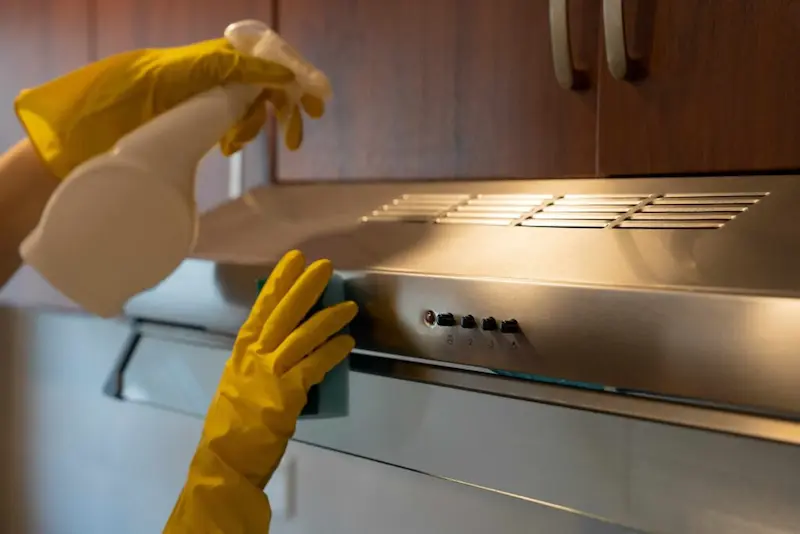
The cleaning frequency depends on how often you use an appliance and what type of food or residue it comes into contact with. A simple cleaning routine can prevent grease, stains, crumbs, and odors from building up.
Clean After Every Use
Some appliances and surfaces should be wiped after each use. This includes:
- Stovetops and cooktops
- Blender parts
- Air fryer baskets
- Microwave spills
- Toaster crumb trays when needed
- Coffee maker parts that come into contact with food or drinks
Cleaning small messes right away can make deeper cleaning easier.
Clean Weekly
Give frequently used appliances a more thorough cleaning at least once a week. Wipe handles, doors, controls, and other areas that collect fingerprints, grease, and food residue.
Clean Monthly
Monthly cleaning can include areas that do not need attention every day, such as refrigerator shelves, dishwasher filters, appliance seals, and other removable parts, depending on the appliance.
Deep Clean When Needed
Some appliances may need occasional deep cleaning because of heavy grease, mineral deposits, or food buildup. Ovens, coffee makers, kettles, and refrigerators may require extra attention from time to time.
Create a Simple Cleaning Routine
You do not have to clean every appliance on the same day. Make a simple schedule based on how often you use each appliance. Regular light cleaning is usually easier than waiting until dirt and grease become difficult to remove.
What is the easiest way to clean kitchen appliances?
Start by unplugging the appliance when appropriate, removing loose food and dirt, and wiping surfaces with warm water and mild dish soap. Always follow the manufacturer’s cleaning instructions.
How often should kitchen appliances be cleaned?
Frequently used surfaces should be wiped after use. Small appliances may need weekly cleaning, while deeper cleaning can be done monthly or whenever there is noticeable buildup.
What is the best cleaner for kitchen appliances?
A mild dish soap and warm water are suitable for many surfaces. However, some appliances require specific cleaning products, so check the manufacturer’s instructions before using a cleaner.
Conclusion
Keeping your kitchen appliances clean does not have to be difficult or time-consuming. Regularly removing food residue, grease, crumbs, stains, and odors can help keep your kitchen cleaner and your appliances well maintained.
When learning how to clean kitchen appliances, remember that each appliance may require a different cleaning method. Use gentle cleaning supplies, avoid excess water, and always follow the manufacturer’s care instructions.
A simple routine of wiping appliances after use, cleaning them regularly, and giving them a deeper clean when needed can make kitchen maintenance much easier. With proper care, your appliances can stay cleaner, fresher, and ready for everyday cooking.