Simple cooking tips for beginners can make learning to cook easier, less stressful, and more enjoyable. You do not need expensive equipment or advanced skills to prepare tasty meals at home. A few basic tools, ingredients, and cooking techniques are enough to get started.
For beginners, cooking becomes much easier when you learn how to prepare ingredients, control heat, measure food, season meals, and follow recipes properly. Starting with simple dishes can also help you build confidence without feeling overwhelmed.
The key is to practice regularly and learn one skill at a time. With patience and these simple cooking tips for beginners, you can gradually prepare a wider variety of meals and become more comfortable in the kitchen.
Why Beginners Should Learn Simple Cooking Skills
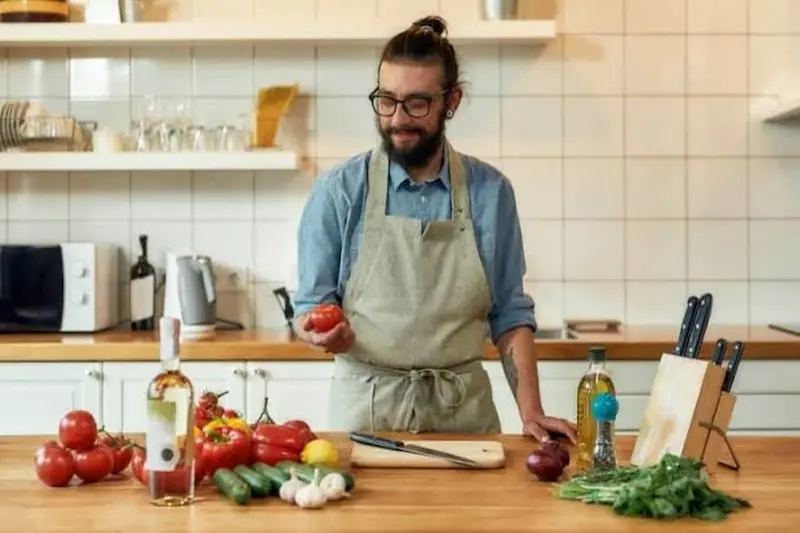
Learning simple cooking skills can make everyday life easier and help you feel more confident in the kitchen. You do not need to become an expert cook to prepare useful and enjoyable meals. Learning a few basic techniques can give you a strong foundation for many different recipes.
Builds Confidence
Preparing a meal successfully can help you feel more comfortable in the kitchen. Start with easy recipes and familiar ingredients, then gradually try new dishes as your skills improve. Simple Cooking Tips for Beginners
Saves Time and Money
Cooking simple meals at home can reduce the need to order food frequently. Planning meals and using ingredients you already have can also help you save time and reduce unnecessary food waste. Simple Cooking Tips for Beginners
Makes Daily Meals Easier
When you know how to prepare a few basic dishes, deciding what to eat becomes simpler. You can quickly make meals such as eggs, pasta, rice, sandwiches, soups, or vegetables without depending on complicated recipes. Simple Cooking Tips for Beginners
Gives You More Control Over Food
Cooking at home allows you to choose the ingredients, seasonings, and portions you want. You can adjust recipes according to your preferences and make meals using foods that you enjoy. Simple Cooking Tips for Beginners
Helps You Learn New Skills
Basic cooking teaches useful skills such as chopping, boiling, sautéing, frying, baking, seasoning, and controlling heat. Once you understand these techniques, you can use them in many different recipes. Simple Cooking Tips for Beginners
Essential Kitchen Tools for Beginners
You do not need a large collection of kitchen tools to start cooking. A few basic items can help you prepare most simple meals safely and comfortably. Start with useful tools and add more equipment only when you actually need it. Simple Cooking Tips for Beginners
Chef’s Knife
A good kitchen knife is useful for chopping vegetables, slicing ingredients, and preparing meat or other foods. Choose a comfortable knife and learn to use it carefully. Simple Cooking Tips for Beginners
Cutting Board
A stable cutting board gives you a safe surface for preparing ingredients. Keep it clean and use appropriate practices when preparing raw and ready-to-eat foods. Simple Cooking Tips for Beginners
Frying Pan
A frying pan is useful for cooking eggs, vegetables, stir-fries, and many other simple meals. A medium-sized pan is a practical choice for everyday cooking. Simple Cooking Tips for Beginners
Saucepan
A saucepan is useful for boiling pasta, cooking rice, preparing soups, and making simple sauces. Choose a size that suits the amount of food you usually prepare. Simple Cooking Tips for Beginners
Mixing Bowls
Mixing bowls are helpful for combining ingredients, beating eggs, preparing salads, and making simple batters. Simple Cooking Tips for Beginners
Measuring Cups and Spoons
Measuring tools help you use the correct amount of ingredients. They are especially useful when you are learning a new recipe and are not yet familiar with ingredient proportions. Simple Cooking Tips for Beginners
Spatula and Wooden Spoon
A spatula can help you flip and turn food, while a wooden spoon is useful for stirring sauces, soups, and other dishes. Simple Cooking Tips for Beginners
Tongs and Colander
Tongs make it easier to handle food safely while cooking. A colander is useful for draining pasta and washing or draining suitable ingredients. Simple Cooking Tips for Beginners
Start With the Basics
Focus on tools you will use regularly rather than buying everything at once. As you gain experience and try different recipes, you can add other kitchen equipment based on your cooking needs. Simple Cooking Tips for Beginners
you may also like it;
Easy Kitchen Maintenance Tips That Actually Work
How to Remove Kitchen Grease: Easy Cleaning Tips
Kitchen Cleaning Tips for Home That Work
How to Clean Kitchen Cabinets: Easy Tips That Work
Basic Ingredients Every Beginner Should Keep
Having a few basic ingredients at home makes cooking much easier. You do not need to buy everything at once. Start with foods you enjoy and ingredients that can be used in several different recipes. Simple Cooking Tips for Beginners
Rice and Pasta
Rice and pasta are simple staples that can be used for many meals. You can combine them with vegetables, eggs, sauces, beans, or other ingredients to create quick and filling dishes.
Eggs
Eggs are easy to prepare and can be used for breakfast, sandwiches, rice dishes, and simple dinners. Scrambled eggs, boiled eggs, and omelets are good options for practicing basic cooking skills.
Fresh Vegetables
Keep a few vegetables that you regularly eat, such as carrots, potatoes, tomatoes, onions, or leafy greens. Vegetables can be boiled, steamed, sautéed, roasted, or added to soups and other meals.
Onions and Garlic
Onions and garlic are useful for adding flavor to many dishes. They can be added to soups, sauces, rice, pasta, vegetables, and other simple recipes.
Cooking Oil
A basic cooking oil can be used for sautéing, frying, and roasting. Use an amount suitable for the recipe and avoid heating oil unnecessarily.
Salt and Black Pepper
Salt and black pepper are simple seasonings that can improve the flavor of many meals. Start with small amounts and adjust the seasoning gradually.
Herbs and Spices
A few commonly used herbs and spices can add variety to simple meals. You can start with seasonings you already enjoy instead of buying a large collection.
Canned and Packaged Ingredients
Canned beans, tomatoes, stock, and other convenient ingredients can be useful when you need to prepare a meal quickly. Check labels and storage instructions before using them.
Buy Ingredients You Actually Use
Choose ingredients based on the meals you normally cook. Buying too many unfamiliar foods can lead to waste, while keeping a small selection of versatile ingredients makes everyday cooking easier.
Simple Cooking Tips for Beginners
Learning a few simple cooking habits can make a big difference when you are new to the kitchen. Instead of trying to master complicated recipes, focus on small steps that make cooking easier, safer, and more organized.
Read the Recipe Before Cooking
Read the complete recipe before you begin. Check the ingredients, measurements, cooking time, temperature, and order of the steps. This helps you understand what needs to happen before you start cooking.
Prepare Ingredients First
Wash, peel, chop, slice, and measure your ingredients before turning on the stove. Keeping everything ready allows you to focus on cooking instead of rushing to prepare ingredients while food is already in the pan.
Keep Your Kitchen Clean and Organized
A clean workspace gives you more room to prepare food and makes cooking less stressful. Keep only the tools and ingredients you need nearby, and clean items when you are finished using them.
Measure Ingredients Carefully
Measuring ingredients is especially helpful when you are trying a recipe for the first time. Use measuring cups and spoons when needed, and avoid guessing until you become more familiar with cooking.
Start With Simple Recipes
Choose recipes with a short ingredient list and clear instructions. Eggs, pasta, rice, vegetables, sandwiches, and simple soups are good foods for practicing basic skills.
Keep the Heat Under Control
Using high heat does not always make food cook faster or better. Start with the temperature recommended by the recipe and adjust it when necessary to prevent food from burning or cooking too quickly.
Taste Food When Appropriate
When it is safe and suitable, taste your food during cooking. This can help you understand how seasoning changes the flavor. Add salt, herbs, or spices in small amounts and adjust gradually.
Give Food Enough Time to Cook
Avoid rushing your meal by constantly increasing the heat. Different foods require different cooking times, so follow the recipe and check the food as it cooks.
Clean as You Cook
Wash utensils, put ingredients away, and wipe your workspace when possible. Cleaning as you cook can reduce the amount of work left after the meal and keep your kitchen organized.
Basic Cooking Techniques to Learn

Learning basic cooking techniques gives you the skills needed to prepare many everyday meals. You do not need to learn everything at once. Start with simple methods and practice them with familiar ingredients.
Chopping and Slicing
Learn how to hold a knife safely and cut ingredients into similar-sized pieces. Even pieces usually cook more evenly. Start by practicing with vegetables such as onions, carrots, potatoes, and tomatoes.
Boiling
Boiling is a simple method that uses hot water to cook food. It is commonly used for pasta, potatoes, eggs, rice, and some vegetables. Follow the recipe or package instructions for the appropriate cooking time.
Simmering
Simmering means cooking food gently in liquid at a lower temperature than a full boil. It is useful for soups, sauces, and stews. The liquid should bubble gently rather than boil rapidly.
Sautéing
Sautéing involves cooking small pieces of food in a small amount of oil. It is useful for onions, garlic, vegetables, and other ingredients. Keep the heat under control and stir when needed to prevent burning.
Frying
Frying involves cooking food in oil or another cooking fat. Beginners can start with simple pan-frying. Be careful when working with hot oil and never leave a pan of hot oil unattended.
Baking
Baking uses dry heat from an oven to cook food. It can be used for potatoes, vegetables, bread, and many other dishes. Follow the recipe’s temperature and timing instructions and preheat the oven when required.
Roasting
Roasting is useful for vegetables, potatoes, and suitable meats. Spread the food evenly on a baking tray so it can cook properly. Follow the recipe for the recommended temperature and cooking time.
Steaming
Steaming cooks food using hot steam rather than placing it directly in water or oil. It can be a simple way to prepare vegetables and other suitable foods while keeping their texture and flavor.
What is the easiest cooking skill for beginners?
Basic skills such as chopping, boiling, sautéing, and controlling cooking temperature are good places to start. Practice one skill at a time with simple ingredients until you become comfortable.
What should a beginner cook first?
Start with simple meals such as scrambled eggs, pasta, rice, sandwiches, vegetable soup, or roasted vegetables. Choose recipes with a few ingredients and clear instructions.
What basic ingredients should beginners have?
Useful ingredients include rice, pasta, eggs, potatoes, onions, garlic, vegetables, cooking oil, salt, black pepper, and a few herbs and spices. Choose ingredients that you regularly use.
Conclusion
Simple cooking tips for beginners can make cooking easier, more organized, and less stressful. Starting with basic ingredients, useful kitchen tools, and simple cooking techniques can help you build confidence and prepare everyday meals at home.
Remember that cooking skills improve with practice. Read recipes carefully, prepare your ingredients before starting, control the heat, season food gradually, and learn from your mistakes.
You do not need to become an expert overnight. Start with easy recipes, practice regularly, and gradually try new techniques. With time and patience, cooking can become a simple and enjoyable part of your daily routine.